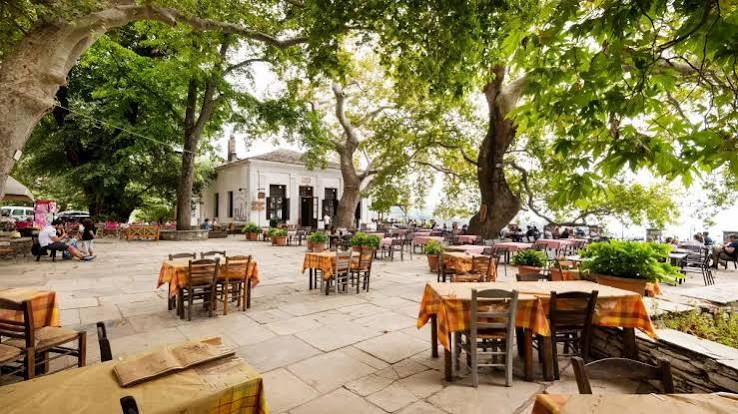
Discover the culinary treasures of Pelion, where traditional mountain recipes, fresh seafood, locally produced delicacies and authentic Greek hospitality create a unique gastronomic experience.
Pelion, one of Greece’s most enchanting destinations, is renowned not only for its picturesque villages, lush landscapes and traditional architecture but also for its distinctive culinary identity. Stretching from the mountain village of Zagora to the coastal settlement of Trikeri, the region offers a fascinating variety of flavours shaped by its natural surroundings, local traditions and seasonal produce.
Here, gastronomy is closely connected to everyday life. Mountain tavernas serve hearty homemade dishes, seaside restaurants celebrate the freshness of the Pagasetic Gulf, while local producers preserve traditional recipes through homemade preserves, jams and other regional specialties.
Exploring Pelion through its food is an excellent way to discover the character and cultural heritage of this remarkable part of Greece.
Zagora and the Richness of Local Produce
A gastronomic journey through Pelion can begin in Zagora, a village particularly famous for its apples. The renowned Zagora Pelion apples, protected under the Protected Designation of Origin (PDO) label, are among the area’s most recognizable agricultural products.
During autumn, the harvest season brings an abundance of fresh apples, chestnuts, walnuts and quinces to local markets and village shops. These ingredients are frequently incorporated into traditional recipes, both sweet and savoury.
Quince, for example, is sometimes cooked alongside meat, adding a delicate fruity acidity that balances the richness of the sauce.
Another important part of Pelion’s culinary heritage is the production of traditional preserves and homemade jams. Women’s cooperatives operating in villages such as Portaria, Vizitsa, Zagora and Trikeri play an important role in maintaining these traditions.
Sour cherries are transformed into spoon sweets, while seasonal summer fruits become delicious homemade jams. These traditional delicacies are often served with Greek yogurt or enjoyed as a sweet ending to a traditional meal.
Traditional Mountain Cuisine: Authentic Flavours and Homemade Recipes
The mountain villages of Pelion offer a different gastronomic experience, characterized by rich flavours, locally sourced ingredients and recipes passed down through generations.
One of the most representative dishes of the region is Spetsofai, a traditional Greek preparation combining local sausages, peppers and tomato sauce. Served warm with fresh bread, it is a comforting dish that perfectly reflects the area’s rustic culinary character.
Local pies and regional cheeses are also essential elements of the traditional menu.
Among the specialties worth discovering is Galotyri, a creamy, slightly tangy cheese that pairs beautifully with fresh bread.
Visitors may also encounter Boumbari, a traditional stuffed dish prepared using recipes that vary from one household or village to another.
For dessert, the region offers its own distinctive interpretations of traditional Greek sweets, including almond-based baklava and homemade fruit preserves.
The Pagasetic Gulf: Seafood, Tsipouro and Traditional Meze
As the journey moves towards the coastal settlements of the Pagasetic Gulf, the culinary landscape changes considerably.
The seaside villages are closely associated with the tsipouro culture of Volos, where the traditional spirit is accompanied by a succession of small dishes known as meze.
Depending on personal preference, tsipouro can be enjoyed with or without anise. It is traditionally served alongside a variety of delicacies, including pickled vegetables, shellfish, fresh seafood and small fried fish.
These small plates are not simply appetizers but an important part of the local dining experience, encouraging visitors to share food and enjoy a relaxed meal.
In Trikeri and the nearby fishing village of Agia Kyriaki, fresh fish takes centre stage. Asking local restaurant owners about the daily catch and the recommended preparation is one of the best ways to experience the area’s authentic seafood cuisine.
The combination of traditional fishing practices, fresh ingredients and beautiful coastal surroundings makes dining in this part of Pelion particularly memorable.
Olive Groves, Wine and Local Gastronomic Experiences
Beyond restaurants and traditional tavernas, Pelion offers visitors the opportunity to discover the production processes behind some of its finest local products.
The lower parts of the peninsula are home to olive groves, where visitors can explore the characteristics of locally produced olive oil through organized tasting experiences.
Olive oil tasting provides an opportunity to appreciate its distinctive aromas, bitterness and peppery finish, while learning more about the cultivation and harvesting process.
Wine enthusiasts can also visit local wineries to discover regional grape varieties, traditional winemaking techniques and the characteristics of wines produced in the area.
Other local products, including honey and aromatic herbs, contribute to Pelion’s rich gastronomic identity. Their availability and characteristics change throughout the year, making each season a different experience.
For those who wish to explore Greek cuisine more deeply, traditional cooking classes with local residents offer an especially rewarding experience. Visitors can learn how to prepare homemade pies, work with fresh seasonal ingredients and discover the small techniques that make traditional recipes so distinctive.
Discover Pelion Throughout the Seasons
Pelion is a destination that offers something different throughout the year, and its gastronomy changes naturally with the seasons.
Spring is an excellent time to discover fresh herbs, local greens and traditional seafood dishes around the Pagasetic Gulf. The countryside becomes greener, while the warmer weather creates ideal conditions for exploring the villages and surrounding landscapes.
Autumn, on the other hand, is closely associated with the apple harvest in Zagora, chestnuts, walnuts and the beginning of the olive harvesting season.
A five- or six-day trip can provide enough time to explore both the mountain and coastal sides of the peninsula, combining traditional villages, local markets, olive groves, wineries and seaside restaurants.
Pelion: A Destination Beyond Gastronomy
What makes Pelion truly special is the way its natural beauty, cultural heritage, traditional architecture and gastronomy come together.
From the stone-built mansions and cobbled pathways of its mountain villages to the picturesque fishing settlements along the coast, the region offers a lifestyle that combines authenticity, tranquillity and a strong connection with nature.
Its traditional villages, year-round appeal and distinctive local character make Pelion an attractive destination not only for visitors but also for those interested in owning a holiday home or exploring real estate investment opportunities in Greece.
Whether enjoying a traditional meal in a mountain taverna, discovering local products or relaxing by the sea, Pelion offers an authentic experience that encourages visitors to return.
At Buy2Greece, we believe that discovering a destination goes beyond exploring its properties. It also means experiencing its culture, traditions, lifestyle and the unique qualities that make each region of Greece special.


Leave a Reply